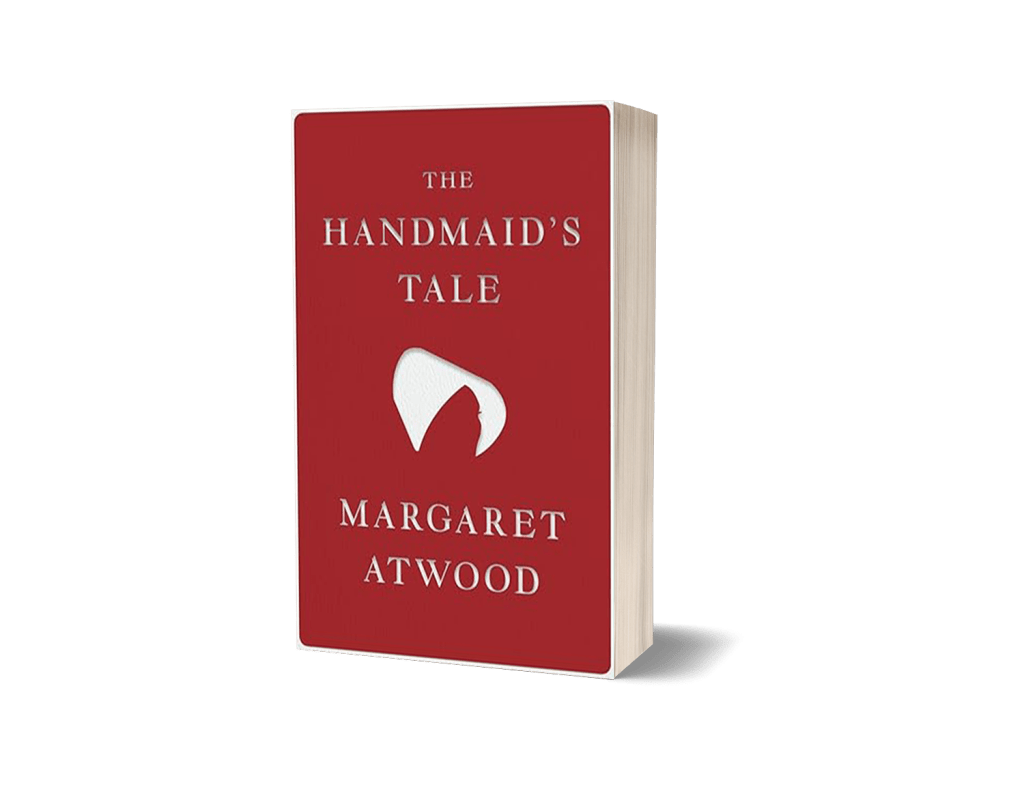
The Handmaid’s Tale by Margaret Atwood
Some stories unsettle you. Others wake you up. The Handmaid’s Tale did both—and then the Hulu series made it impossible to look away.
I didn’t expect to feel so much. I thought I was prepared. But by the end of the first season, I was staring at the screen, gut-punched, angry, silent. Not just because of what happens in Gilead, but because of how real it felt.
This is one of those rare stories where the book and the screen adaptation are equally powerful—different in experience, but equally necessary.
The Book: Power, Control, and the Quiet Fire of Resistance
Margaret Atwood’s The Handmaid’s Tale was first published in 1985, but reading it now feels eerily timely. The story takes place in Gilead, a theocratic regime where women have been stripped of their rights, autonomy, and even their names.
We follow Offred—a Handmaid forced to bear children for the ruling elite—as she clings to memory, love, and fragments of her former self. Her voice is quiet but razor-sharp. She’s not a rebel in the traditional sense, but every small act of defiance carries weight.
What makes this book so chilling is that Atwood based everything in it on real events from history. Nothing was invented. And that’s what lingers long after you’ve turned the last page.
☆ Buy the book on Kindle
☆ Buy the paperback or hardcover on Amazon
☆ Listen to the audiobook
The Show: Visceral, Visual, and Unforgettable
Then came the Hulu series—and it changed everything.
Elisabeth Moss brings Offred (or June, as we later learn) to life with such rage, sorrow, and determination that it’s impossible to look away. The visual storytelling—the red cloaks, the eerie silence, the brutal discipline—is as stunning as it is suffocating.
There’s a particular scene in Season 1 where June stares directly into the camera, not saying a word. Just looking. Daring you to feel what she feels. That scene alone made me realize: this story isn’t just fiction. It’s a warning.
☆ Stream the full series on Hulu
What Makes The Handmaid’s Tale So Powerful?
- The slow erosion of rights: How quickly freedom disappears when people stop paying attention.
- Memory as resistance: Offred survives by remembering love, friendship, and her former life.
- Women’s autonomy: A chilling portrait of what happens when reproductive freedom is taken away.
- Brutality and beauty: Atwood’s language is stark but poetic—each sentence feels loaded with meaning.
For Fans of the Book and the Show
If The Handmaid’s Tale moved you, here are a few thoughtful companion pieces:
The Testaments by Margaret Atwood – A powerful follow-up set 15 years later, told through three female perspectives.
The official Handmaid’s Tale podcast on Apple – Episode-by-episode deep dives of the show.
Why I Think You Should Read (or Watch) The Handmaid’s Tale
If you’ve ever felt your voice wasn’t heard…
If you’ve ever watched the news and thought, “Could this really happen?”…
If you believe stories can shape how we see the world—The Handmaid’s Tale is for you.
Whether you prefer to read or watch, this story has something important to say. And honestly, we need to keep listening.
Where to Find It
☆ Buy the book on Amazon
☆ Start the audiobook free on Audible
☆ Stream the Hulu series here
Final Thoughts
The Handmaid’s Tale isn’t just a dystopia. It’s a mirror. A call to attention. A story that insists we remember how fragile freedom can be—and how vital it is to protect it.
It shook me. It woke me up. And I think it might do the same for you.
Have you read The Handmaid’s Tale or watched the series?
 Sunkissed Babe